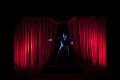
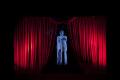
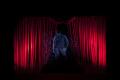
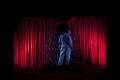
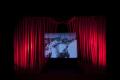
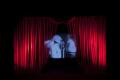
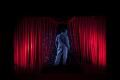
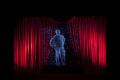
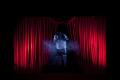
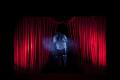
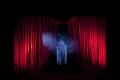
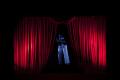
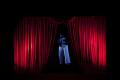
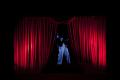
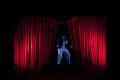
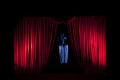
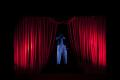
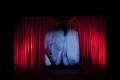
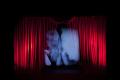
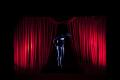
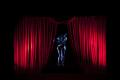
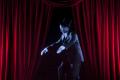
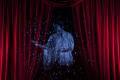
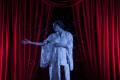
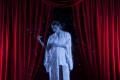
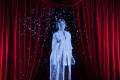
Description
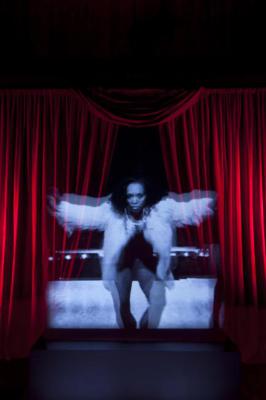
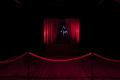
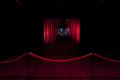
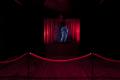
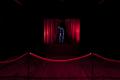
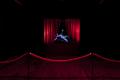
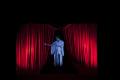
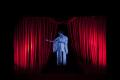
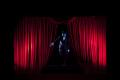
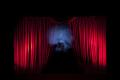
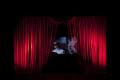
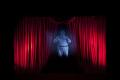
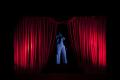
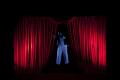
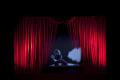
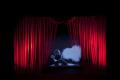
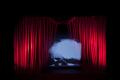
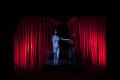
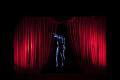
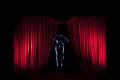
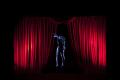
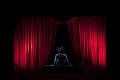
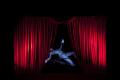
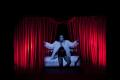
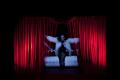
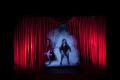
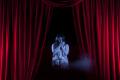
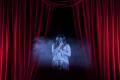
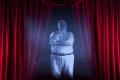
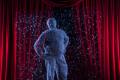
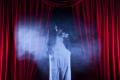
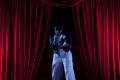
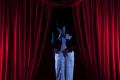
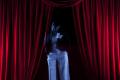
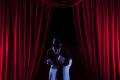
Carrie Mae Weems is best known for her photographic work that interrogates the positioning of the raced (Black) and sexed (Female) body in social interactions - whether familial, historical, mythological, or national. Seeing her present a video work-in-progress at a conference in 2009 was the catalyst for my thinking about this exhibition. She was making work that considered the historical moment - the election of the first African American president of the United States; the assassination of President John Kennedy; the bombing of Hiroshima - confirming with me that feminist thinking intersects with all aspects of life. - Hilary Robinson, Curator
This work is deeply socially based. it is always, no matter what I do, no matter how I try to get away from it, I am caught in the web of dealing with the issues and the problems of power. Who holds it, who maintains it, who uses it, who manipulates it and how I can get some. How you get that, you know, and if you can't get that then what do you do? And what are the shapes of power? And so to that extent then, since feminism really ultimately is dealing with the question of power, the relationship of women to the rest of the world and how we fit in to the rest of the world. So to that extent it naturally fits there, it can't really fit anyplace else. Even when I don't necessarily consider myself a "feminist," I probably consider myself much more a radicalist or a socialist - I am just simply engaged in all of these ideas around questioning power.
You know, to be a good artist at a certain point, to be really good at anything you really have to be kind of ugly. You know, you have to deal with the mess of things, the shit of things, the smell of things, the distortion of things. And so I realized I was going to have to do it myself, you know . . . because. And so something really wonderful happened you know that was also a surprise. I was putting on that bunny outfit that was too small, even though it said it was a large. Anyway, the wonderful thing was that I couldn't get it zipped up, and I thought, "Oh, this is the part that actually should be filmed, not being able - because you're too old to get into this shit right? You gotta just keep pulling and tugging, and right?" And there was something that was so, so . . . wonderfully pathetic about that gesture, just so beautiful you know? What happens when you being to age? What happens when you can't quite do that glam thing anymore? You better have something else in reserve, babe. Hop you got something else in reserve, you know? Because that shit is going to play out fairly quick.
So that is the way that I think that personal becomes political or the political personal. Women negotiate these spaces - always because we are always dealing with notions of beauty. It's the first thing that we have to get through, past, over, under, etc. What is this think about beauty and how will you be perceived, understood by others as a result of it? It is so complex but fascinating and powerful I think. you can choose to go with it, or you can choose to use it or you can choose to manipulate it or you can choose to abide by it, or you can choose to be aware of it, or do other things because of it or around it. You can make any number of choices, but those choices you can make if you are aware and conscious of what it is, that's really interesting stuff.
Part One – Lincoln
Tap – Tap
Gestures and Snow
Lincoln – Historical Address
Part Two – Lonnie
A Question of Management
He’s Scared, I’m Scared
Part Three – Me
I Know You
A Woman Soon About the Artist
Carrie Mae Weems was born in Portland, Oregon, in 1953. Through the use of image, text, film, and video, Weems has created a complex body of work that centers on her overarching commitment to helping us better understand our present moment by examining our collective past. As a result of this work, Weems has received numerous awards, grants, and fellowships including the MacArthur “Genius” grant; US Department of State’s Medals of Arts; Joseph H. Hazen Rome Prize Fellowship from the American Academy in Rome; the National Endowment of the Arts; and the Louis Comfort Tiffany Award, among many others.
Her artwork is included in public and private collections nationally and internationally including the Metropolitan Museum of Art, NY; Tate Modern, London, England; the Museum of Modern Art, NY and Fine Arts Museum of San Francisco, SF, CA.
She lives and works in Syracuse, New York. Weems is represented by Jack Shainman Gallery, New York.